What we replace, and why it qualifies
Every one of these is an existing piece of equipment doing its job badly. That gap between what it uses now and what a modern replacement would use is what the utility pays for.
Equipment we replace
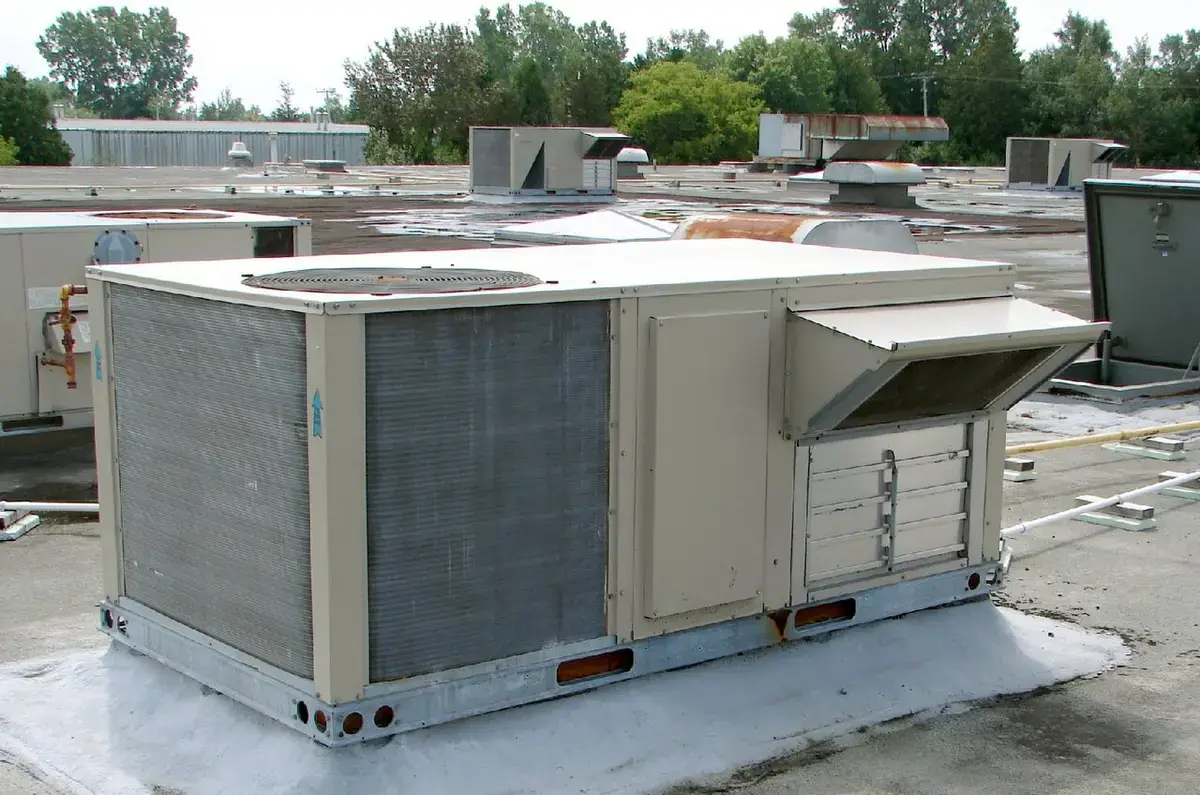
Rooftop Unit (RTU) Replacement
The most common retrofit we run. Old packaged units burning power to hold setpoint.
View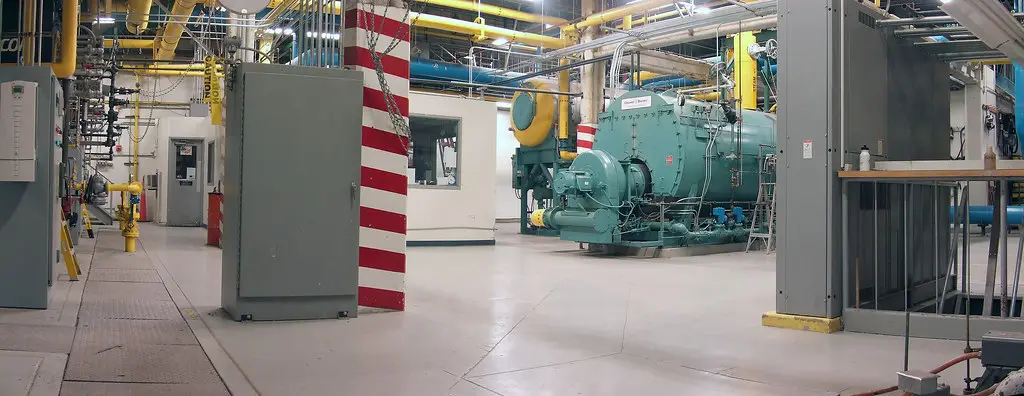
Commercial Boiler Replacement
New Jersey is full of oversized, decades-old boilers heating apartment buildings.
View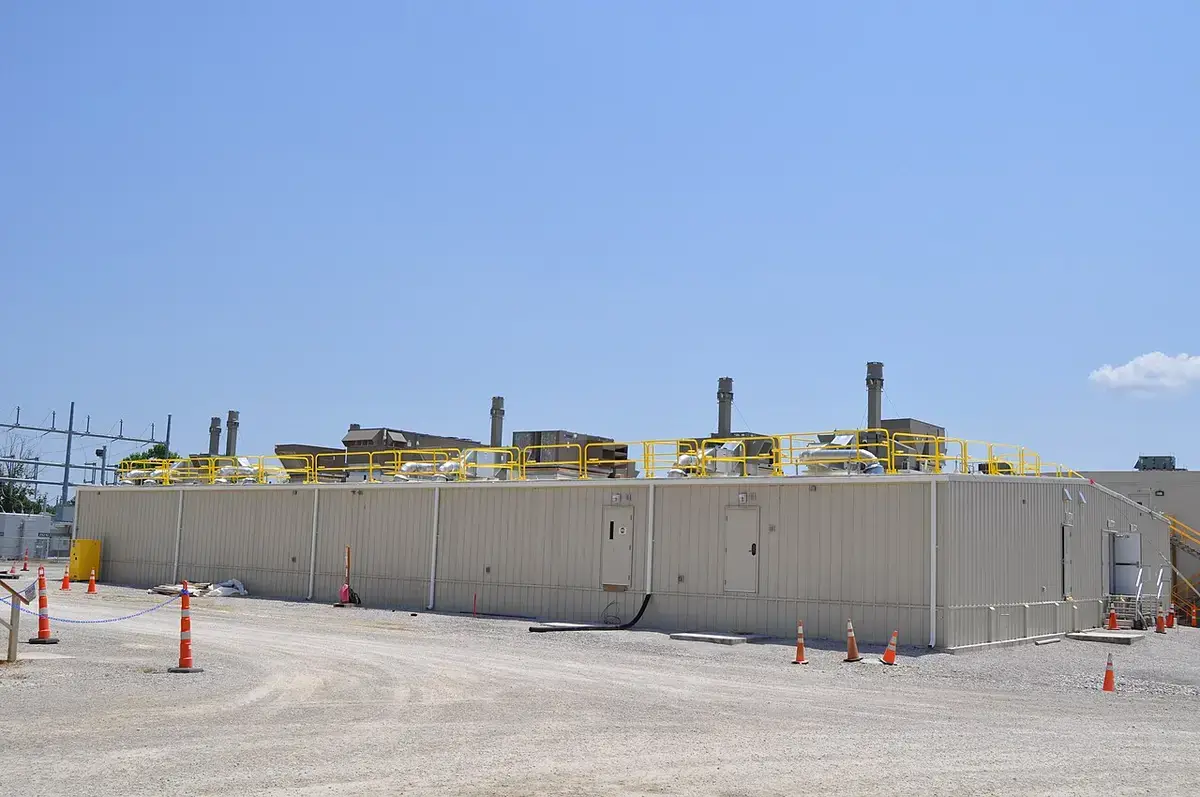
Commercial & Multifamily Heat Pumps
The biggest incentive category in New Jersey right now, and by a distance.
View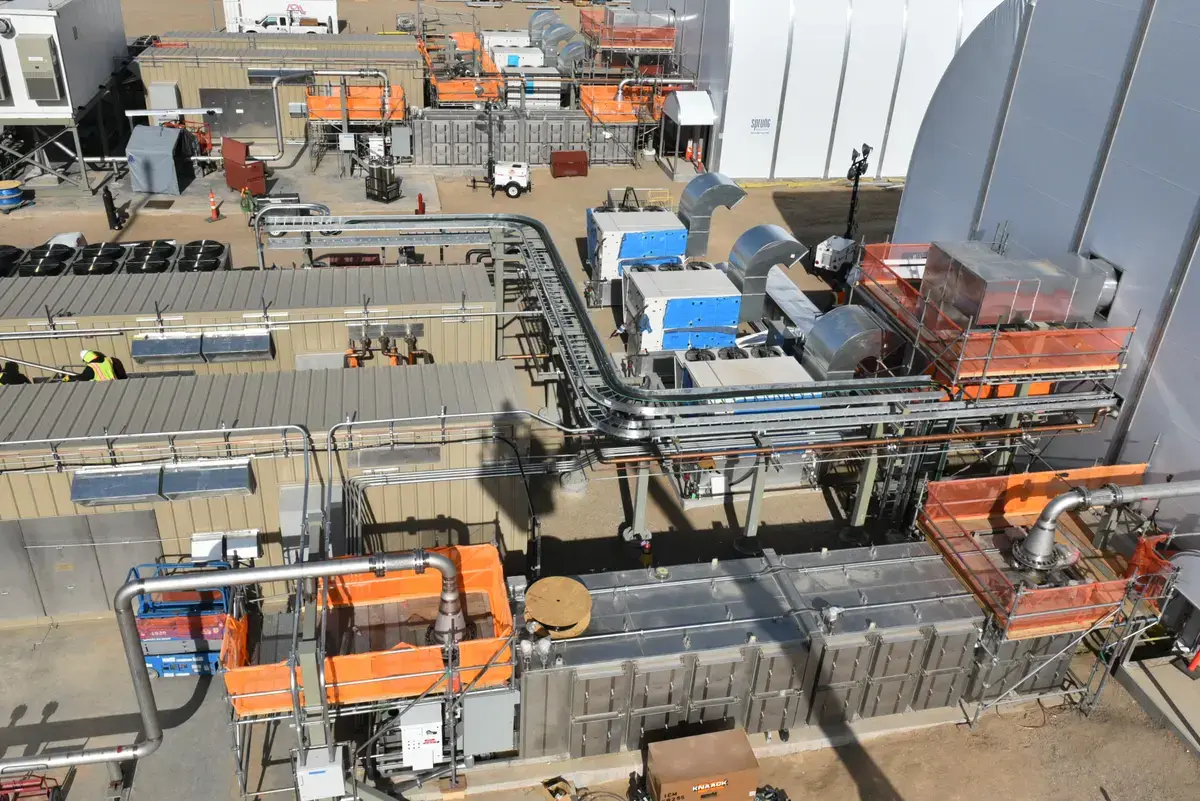
Chiller Replacement
The largest single energy load in most buildings that have one.
View
PTAC Replacement
Hotels and older apartment buildings, replaced floor by floor.
View
Ductless Mini-Split Systems
For the very large share of NJ buildings that never had a duct in them.
View
The equipment does not set the incentive. The gap does.
Utilities pay for the difference between what your existing equipment consumes and what its replacement will consume. Two identical new units in two different buildings earn different incentives.
This is the single most useful thing to understand before you price anything. A high-efficiency rooftop unit is not worth a fixed rebate. It is worth whatever the model says it will save against the specific unit it replaces, in the specific building, on the specific usage pattern shown in your bills.
The practical consequence runs against instinct: the worse your current equipment is, the better your project performs. An oversized atmospheric boiler from the 1980s is a stronger candidate than a fifteen-year-old unit that was reasonably specified when it went in.
Central plant and unit-count projects behave differently
A boiler, chiller or large rooftop unit is a single large project. Heat pumps and PTAC units are small individually and get their scale from how many of them a property has.
Central plant — boilers, chillers, large packaged rooftop equipment — typically runs from around $30,000 to $300,000 or more per unit. One decision, one piece of equipment, one large number, and the incentive is modeled against that plant's measured load.
Heat pumps, PTAC and ductless equipment invert that. Any single unit is a small job. A hotel with three hundred PTAC units or a garden-apartment portfolio with several hundred through-wall units becomes a large project through count rather than through the size of any one machine, and it schedules very differently — usually around occupancy rather than around a heating or cooling season.
What does not qualify
New construction, and equipment that is already efficient. These programs exist to replace what is already in the ground and performing badly.
If the building is new, there is no baseline to improve on and no saving to model, so there is no incentive. The same logic rules out equipment that was specified well and is still performing close to its rating — the gap is too small to fund.
We also do not repair, service or maintain any of this equipment, and we do not take emergency calls. Replacement of existing plant in existing commercial and multifamily buildings is the whole scope. Installation is carried out by licensed partner contractors.
Common questions
Can we replace one piece of equipment rather than everything?
Yes. Projects are scoped around what is actually worth replacing. A single failing chiller is a valid project, and so is a whole-roof changeout.
Does mixed equipment across one property complicate the application?
No. A property running boilers on gas and rooftop units on electricity produces two applications to two utilities, and both are our scope.
What do you need before you can tell us whether equipment qualifies?
Twelve months of electric bills and twelve months of gas bills, plus access to walk the building. The incentive is modeled from actual usage, so both fuels are needed before anything can be assessed.
Do you work on single-family residential equipment?
No. Commercial and multifamily buildings only, and existing buildings only.
Find out what your building qualifies for
A survey and an energy model tell you the real number. That is a phone call, not a commitment.