Third-party energy suppliers in New Jersey for businesses
Third-party energy suppliers in New Jersey can sell your business its electricity and natural gas, while your utility keeps delivering it and responding to emergencies. We get offers from licensed suppliers for your building, compare them side by side, and tell you plainly whether switching is worth it. We work with commercial and multifamily properties across New Jersey, and in other states where businesses can choose their supplier.
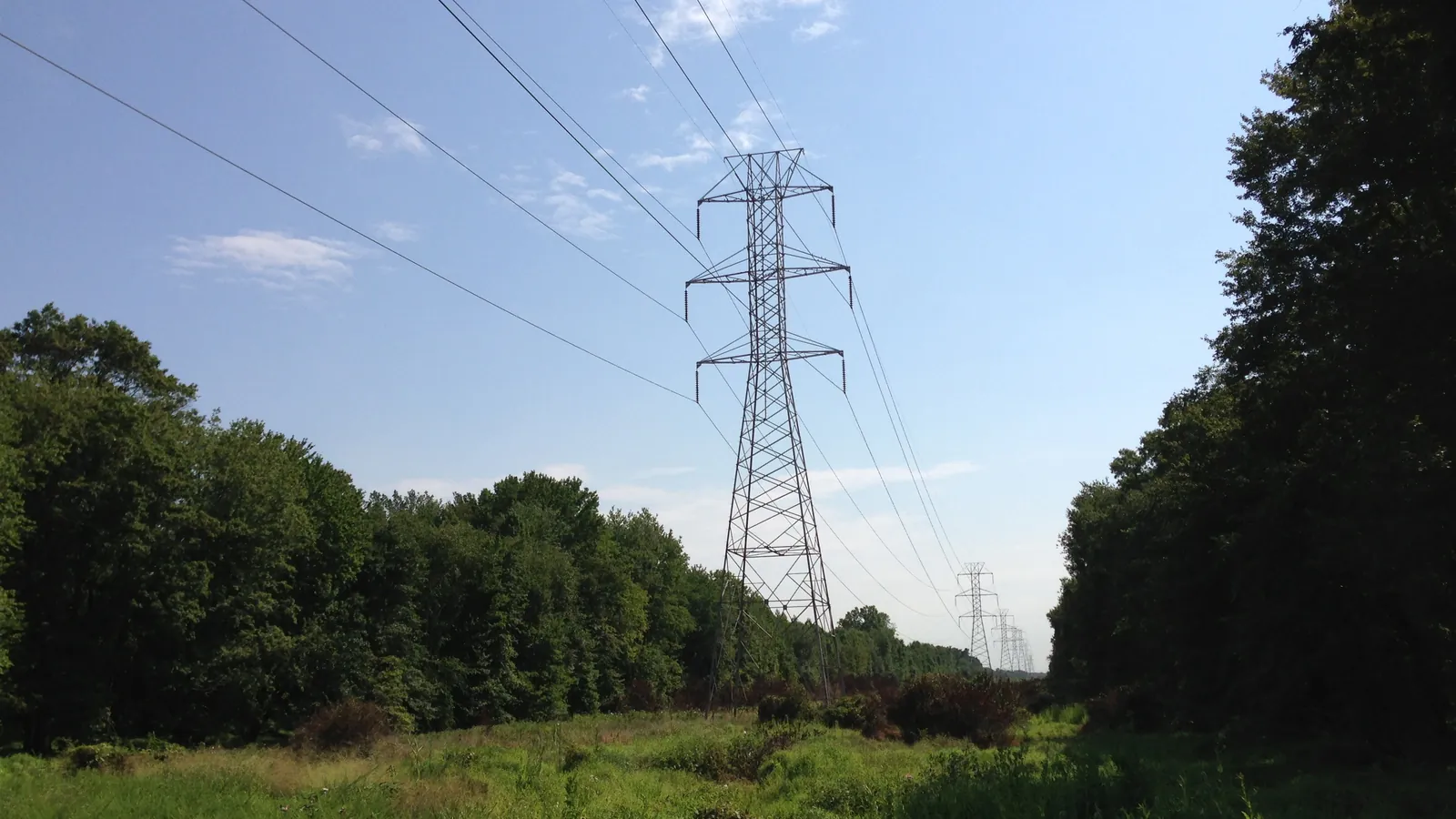
Why use a third-party energy supplier?
If you have never switched, your building buys its electricity from the utility's default supply, called Basic Generation Service. Its price is set through a statewide auction for every customer in your class. For larger buildings, with 500 kW of peak demand and up, the default energy price changes every hour with the wholesale market.
Shopping replaces that with a price set for your building:
- Price certainty. Lock a fixed price for the whole contract, so the supply part of your bill stops moving with the market.
- A price that fits how you use energy. Suppliers price your usage pattern, and steady usage often prices better than spiky usage.
- Lower peak costs next year. Your building's demand during the grid's five highest summer peak hours sets part of next year's cost. We flag the likely peak days, so small changes on those afternoons can bring it down.
- Nothing physical changes. Same wires, same pipes, same emergency service from your utility.
The more energy a building uses, the more there is to gain. In the words of New Jersey's Board of Public Utilities, any customer can shop, “but those with higher usage may have an even greater incentive to do so.”
How third-party energy works in New Jersey
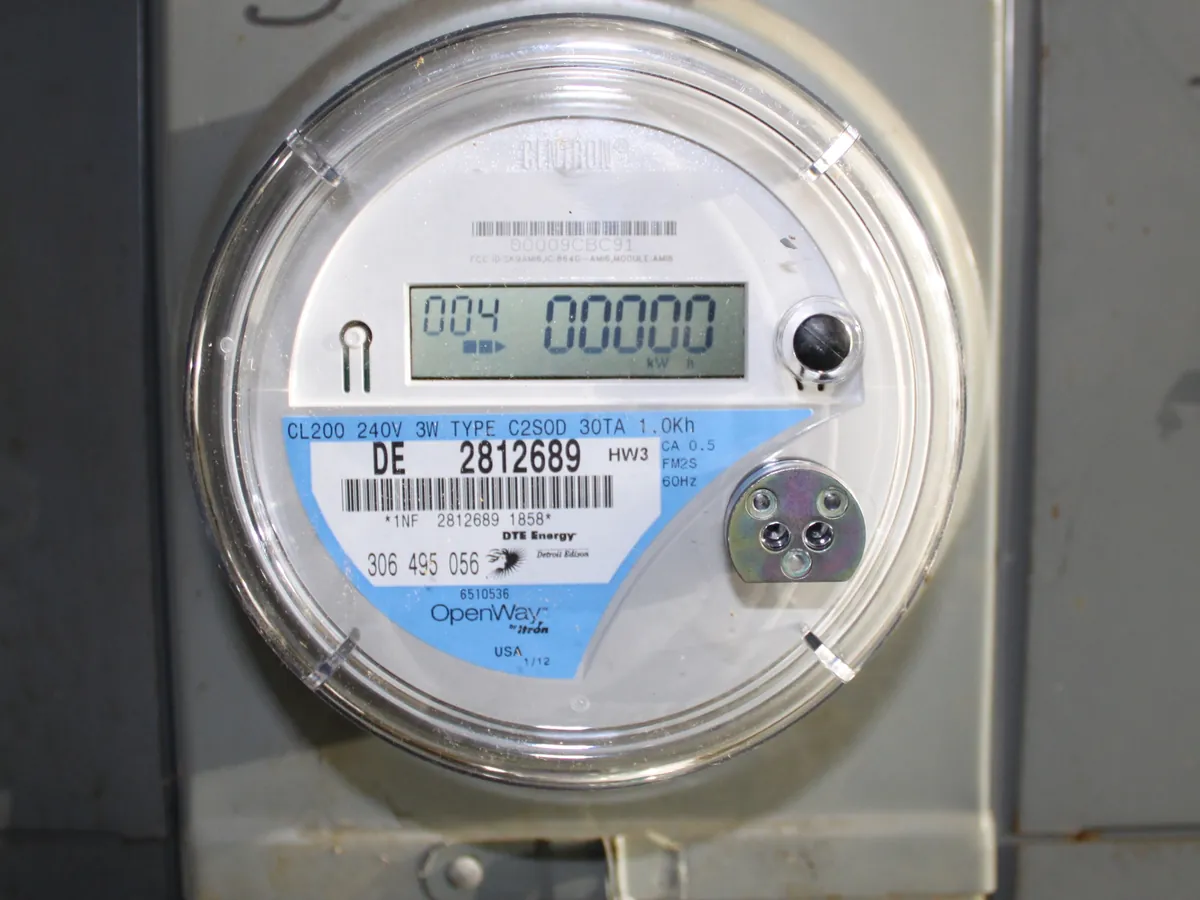
Your electric and gas bills each have two parts: supply and delivery. Under New Jersey's energy deregulation law, any business can buy the supply part from a third-party supplier licensed by the Board of Public Utilities.
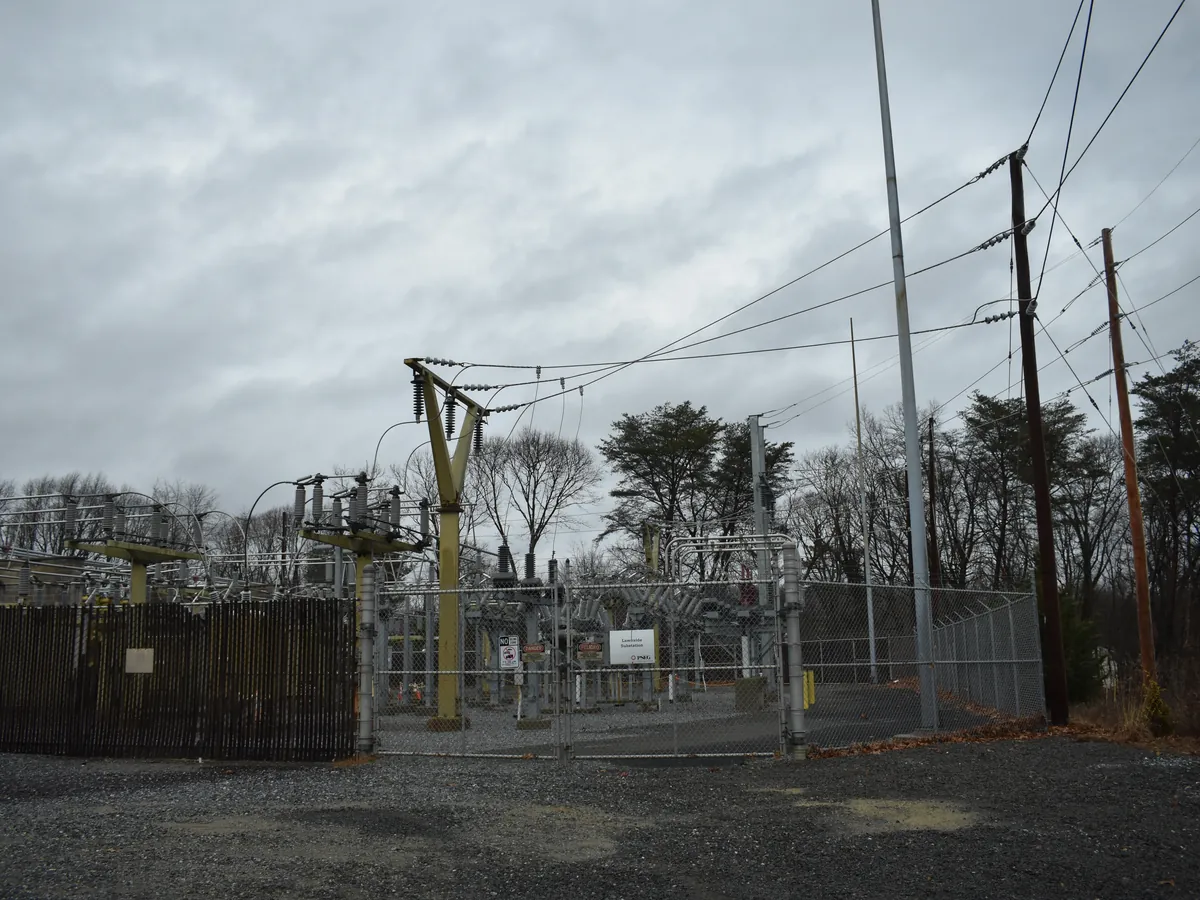
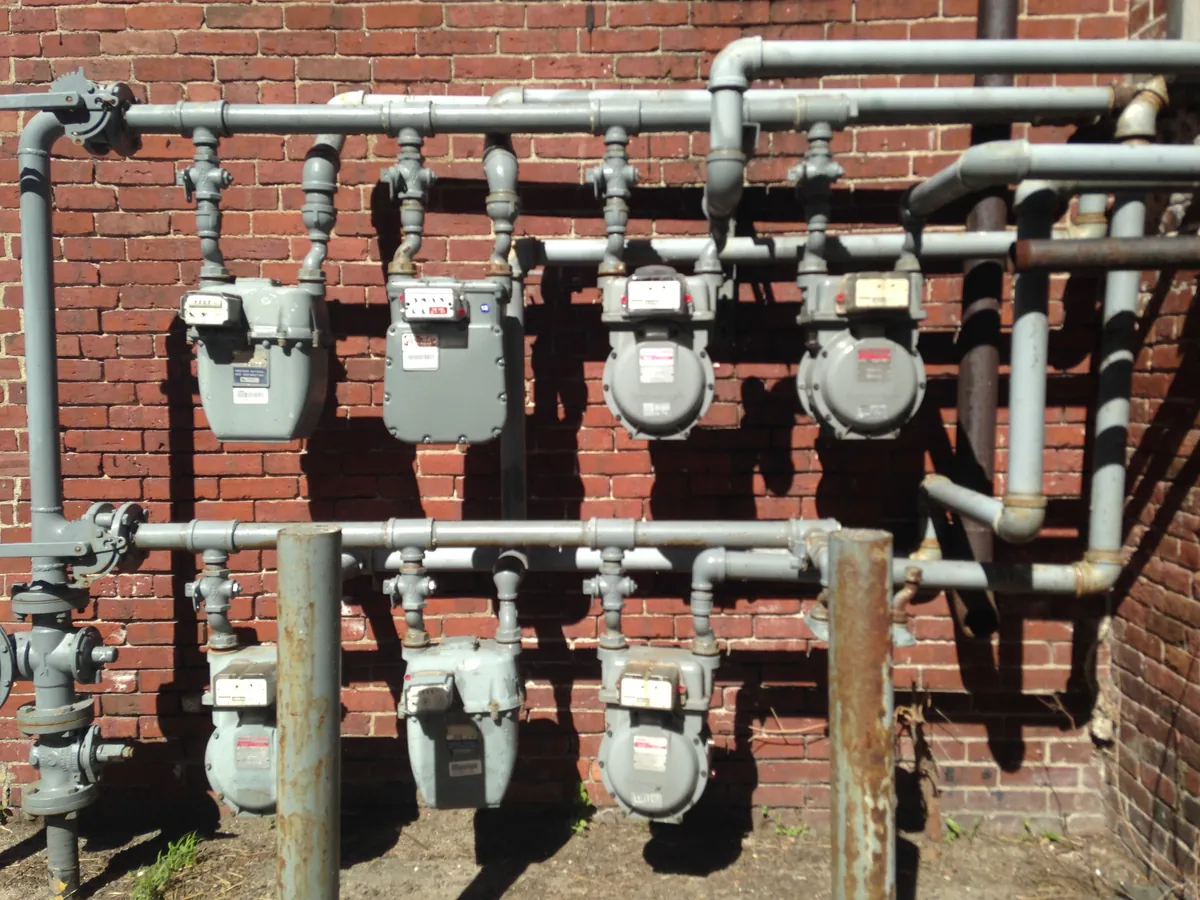
Your utility still delivers the energy through its wires and pipes and responds to emergencies. On the electric side, utilities also call these companies electric generation suppliers.
- Electric: PSE&G, JCP&L, Atlantic City Electric and Rockland Electric
- Gas: PSE&G, New Jersey Natural Gas, South Jersey Gas and Elizabethtown Gas
It is already the norm. In 2024, third-party suppliers sold about 57% of the electricity used by New Jersey's commercial customers, according to the U.S. Energy Information Administration.
What we do for your building
Going straight to one supplier gets you that supplier's offer. We compare several.
- 01Review your billYour current rate, how much energy you use, and how steady that usage is.
- 02Request offersPrices from several licensed suppliers for the same usage and the same term.
- 03Compare the termsPrice, contract length, product type, and the conditions that cost money later.
- 04Give you a straight answerWhether switching is worth it for this building, and if it is, which offer.
Fixed, floating or hybrid contracts
New Jersey's Board of Public Utilities groups commercial supply offers into three types.
- Fixed: one agreed price for the whole contract term.
- Floating: the price rises or falls each month with the wholesale market.
- Hybrid: part of your usage at a fixed price, the rest floating.
We cover electricity and natural gas, so both bills get the same review.
Planning an HVAC upgrade? Time the contract around it
An efficiency retrofit changes how much energy a building uses, and when. That can affect a supply contract signed beforehand.
- Some contracts charge extra if usage moves well above or below your usual level. The Board of Public Utilities lists it as a question to ask before you sign.
- Part of your electricity cost is set by your building's demand during the grid's five highest summer peak hours. An upgrade that lowers that demand can lower the next year's charge, if your contract passes it through.
Because we also run commercial HVAC retrofits, we plan both on the same timeline. See when to apply for incentives for the retrofit side.
States we work in
New Jersey first. We also work with commercial properties in states where businesses can choose their own supplier. Each state runs its own program, so we confirm what your building is eligible for before quoting.
- Electricity and natural gas
- New Jersey, Connecticut, District of Columbia, Illinois, Maine, Maryland, Massachusetts, New Hampshire, New York, Ohio, Pennsylvania, Rhode Island, Texas
- Electricity
- Delaware
- Natural gas
- California, Florida, Georgia, Indiana, Kentucky, Michigan, Montana, Nebraska, Virginia, Wyoming
Common questions
Will my utility still deliver my electricity and gas?
Yes. In New Jersey your utility keeps delivering electricity and gas through its own wires and pipes, and it still responds to emergencies. Only the company supplying the energy changes.
Can PSE&G, JCP&L and Atlantic City Electric customers use a third-party supplier?
Yes. Any electric or gas customer in New Jersey can shop for supply, including customers of PSE&G, JCP&L, Atlantic City Electric and Rockland Electric, and of the state's four gas utilities.
What is New Jersey Energy Choice?
It is the state program that lets utility customers choose their electricity and gas supplier. Suppliers must be licensed by the Board of Public Utilities, which publishes the list. If someone calls about the program, ask which supplier they represent and check that name against the list.
What do you need from me to start?
A recent electric bill and gas bill. They show your account details, your current rate and your usage, which is what suppliers need to price an offer.
Do you work with homeowners?
No. We work with commercial and multifamily properties only: apartment buildings, offices, retail, warehouses, hotels and institutional buildings.
Where to go next
- Commercial HVAC retrofitsThe survey, energy model and incentive application
- Demand chargesThe part of the bill set by your peak
- When to applyWhy the application comes before the equipment
- Multifamily buildingsApartment and condominium properties
- What a retrofit costsBy tonnage, per square foot, and after the incentive
- ContactPhone, email and what to send